

We think globally, act locally.
We are one of the key players in the renewable energy sector. Our team consists of experts who have been actively involved in the RES market since 2007, participating in large projects with a total capacity exceeding 5.1 GW.
At Res Global Investment, we combine experience with expert knowledge, an effective management system and modern technology.
In 2024, we signed an agreement with the Tallinn Stock Exchange-listed Estonian company Enefit Green, with an estimated investment value of €80 million. The contract with Enefit is a part of our dynamic development strategy.
What sets us apart?

Polish Company
Created by experts and enthusiasts, not a global corporation. This brings numerous benefits in terms of flexibility, speed of decision-making, strategic control, better adaptation to local conditions, and close relationships with clients and employees. We know the Polish energy market inside out and care not only about our company's development but also about the growth of our domestic economy.

Strong Market Position
We have been operating in the renewable energy sector for over 15 years. We are a cohesive, motivated team of leading specialists in the country, with experience gained in the largest companies and projects. In addition to extensive expert knowledge, we are characterized by an unconventional approach to projects and an effective management system. Our strong position and professionalism are best exemplified by the transaction with the state-owned Estonian company Enefit Green, which invested €80 million in 8 of our projects.

Local Community's Comfort
We treat our local partners as good neighbors. We are aware of our responsibility and will not betray your trust. Your comfort and peace are our priority. Without this, there is no good cooperation. We prioritize direct communication. Local community and municipal authorities can always meet with us or call us to learn about the plans and stages of the investment. We answer all questions—even the most "uncomfortable" ones.

Civic Budgets
As part of our cooperation with municipalities, we have launched two special, original programs directly for municipality residents: the Civic Budget and the Professional Activation Project. Details can be found in the "Info for Municipality Residents" section.
INFORMATION FOR:

Municipal Authorities
We collaborate with local governments, offering comprehensive support in planning and implementing investments in wind farms and other ecological solutions. More...
Municipality Residents
From the moment the first lease agreements are signed in a given area, we greatly appreciate the trust that some residents have already placed in us at this stage, and we feel like part of the local community. More...

Landowners
Contact us and join the group of enterprising landowners who have decided to lease their land for a wind farm and can now enjoy a range of benefits. More...

Our Team
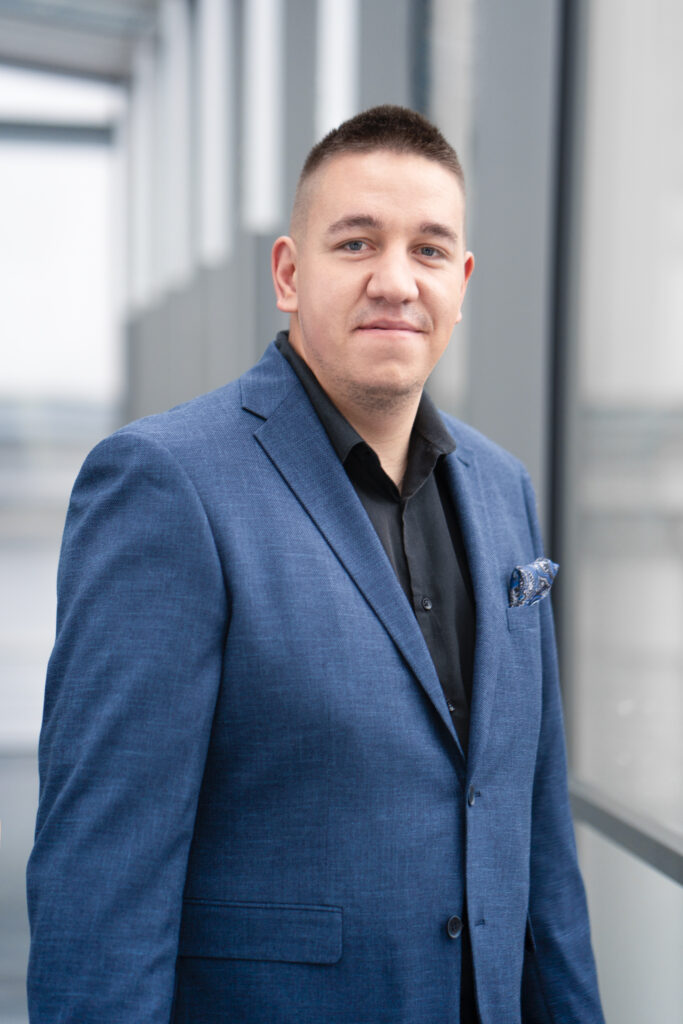
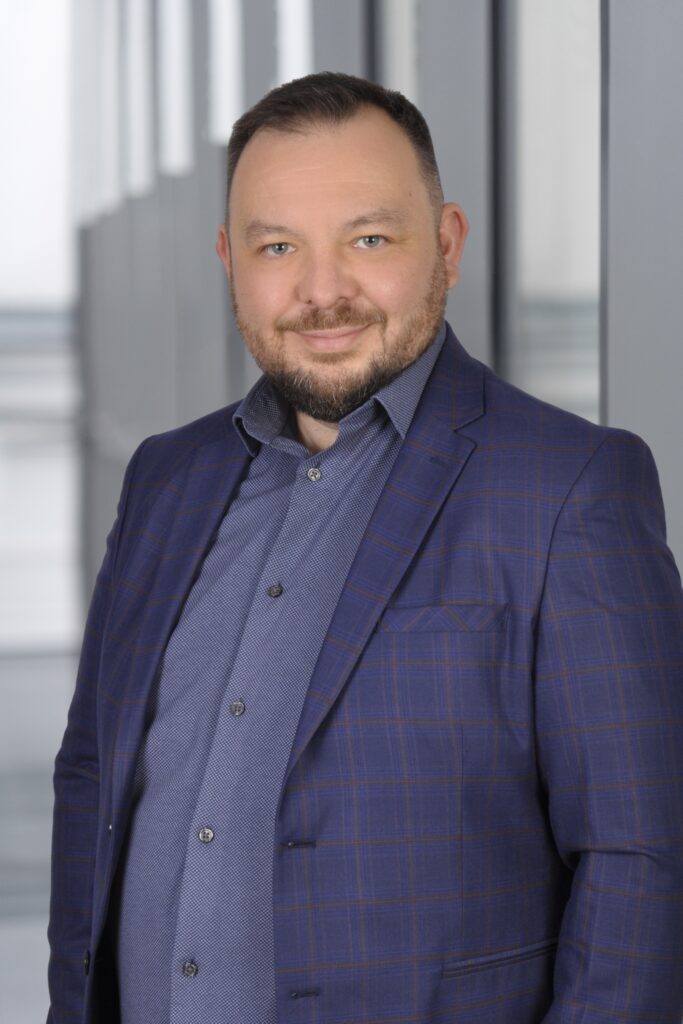
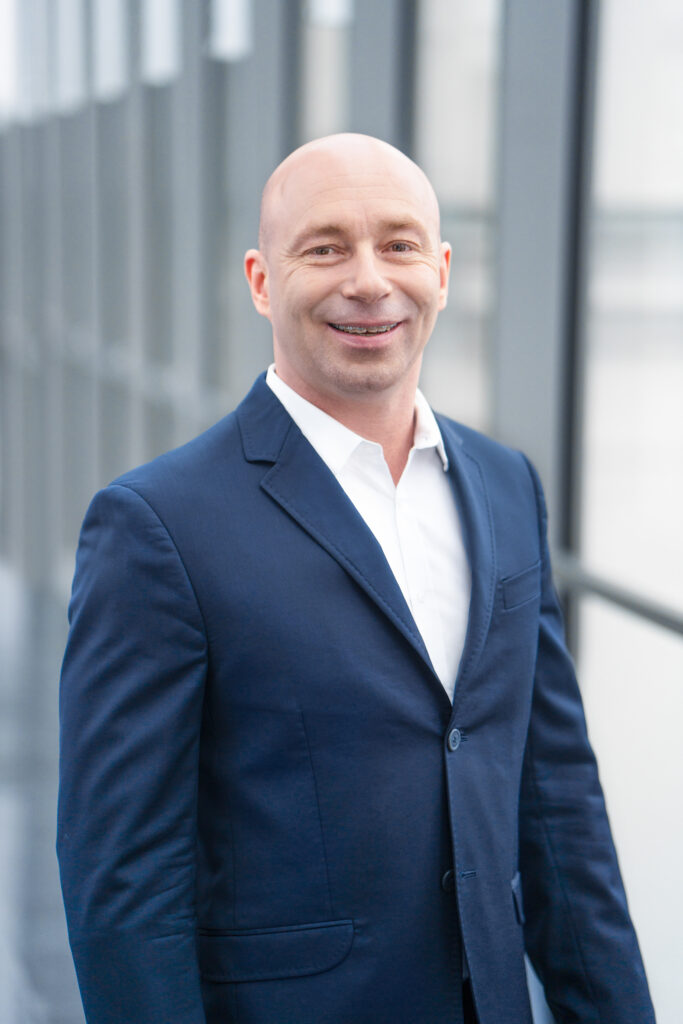
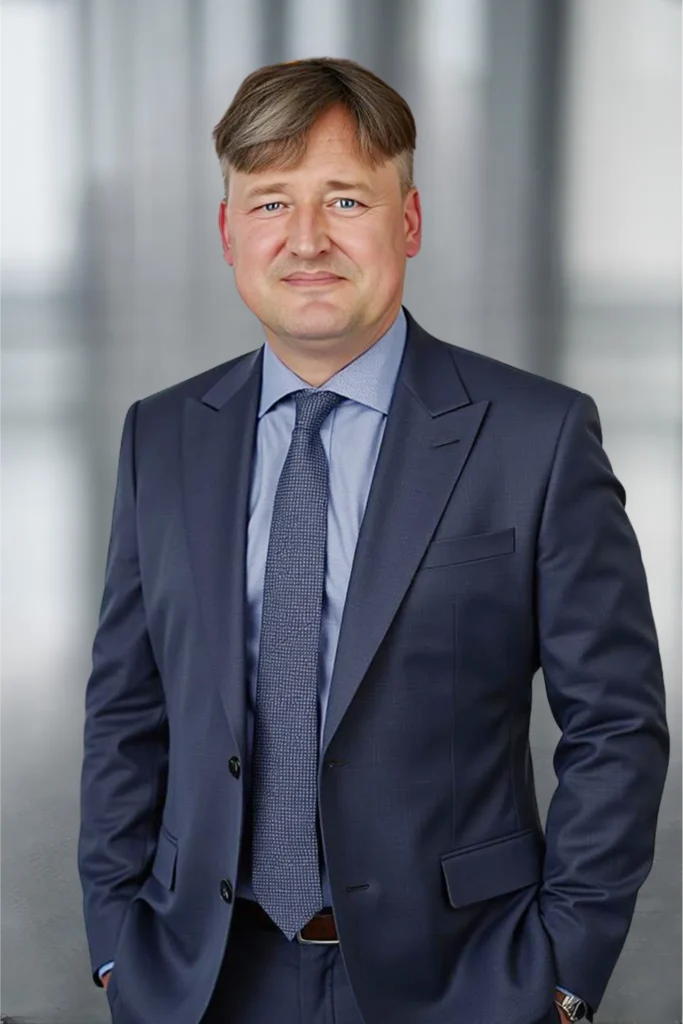
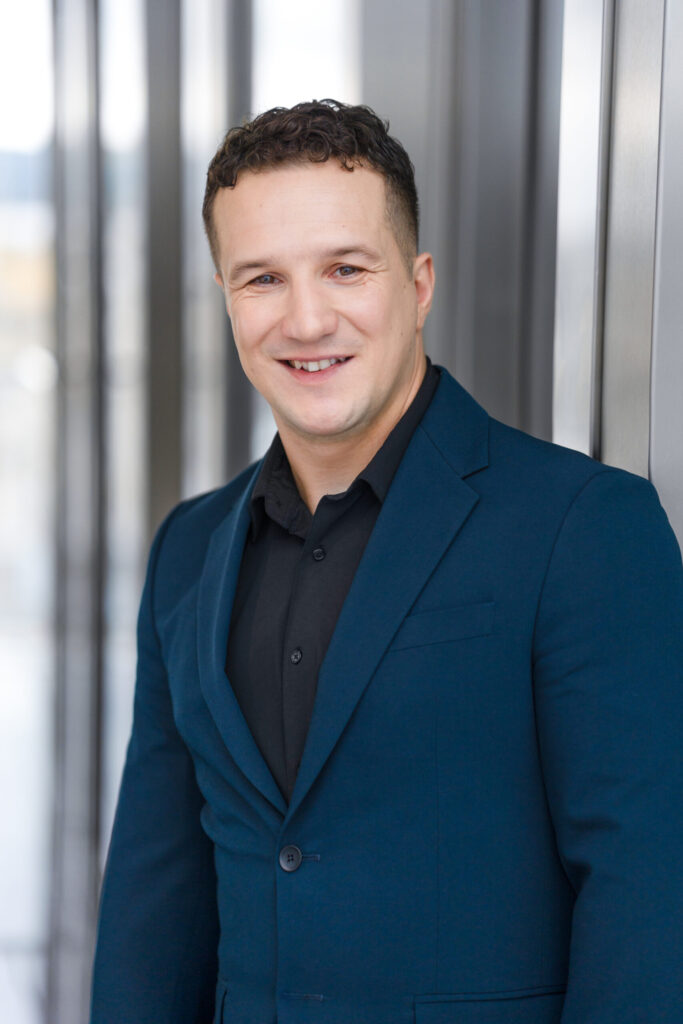
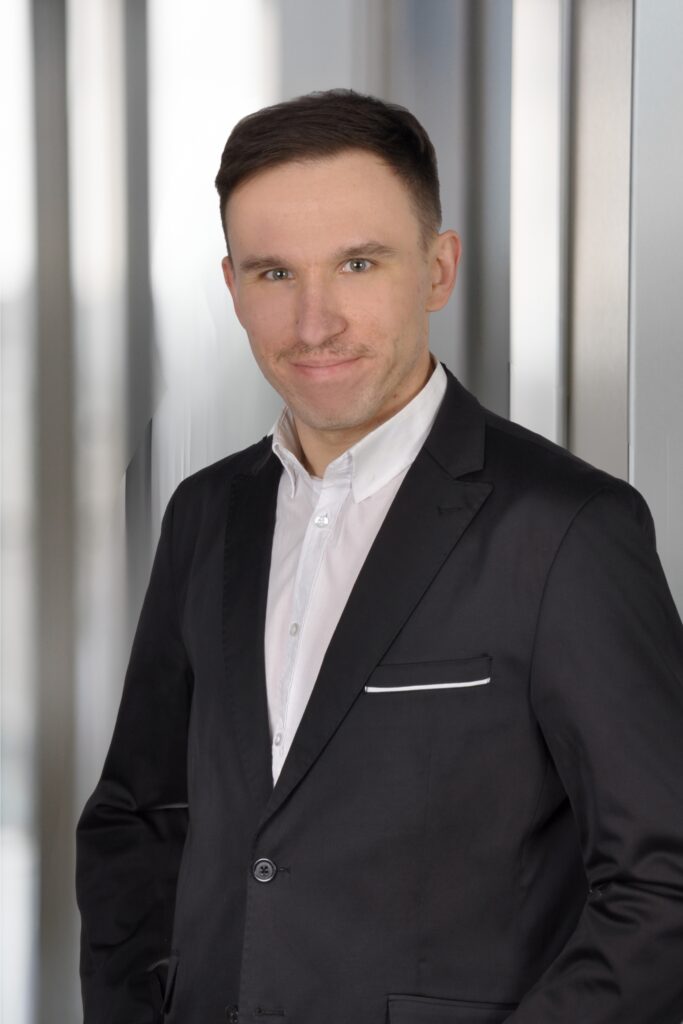
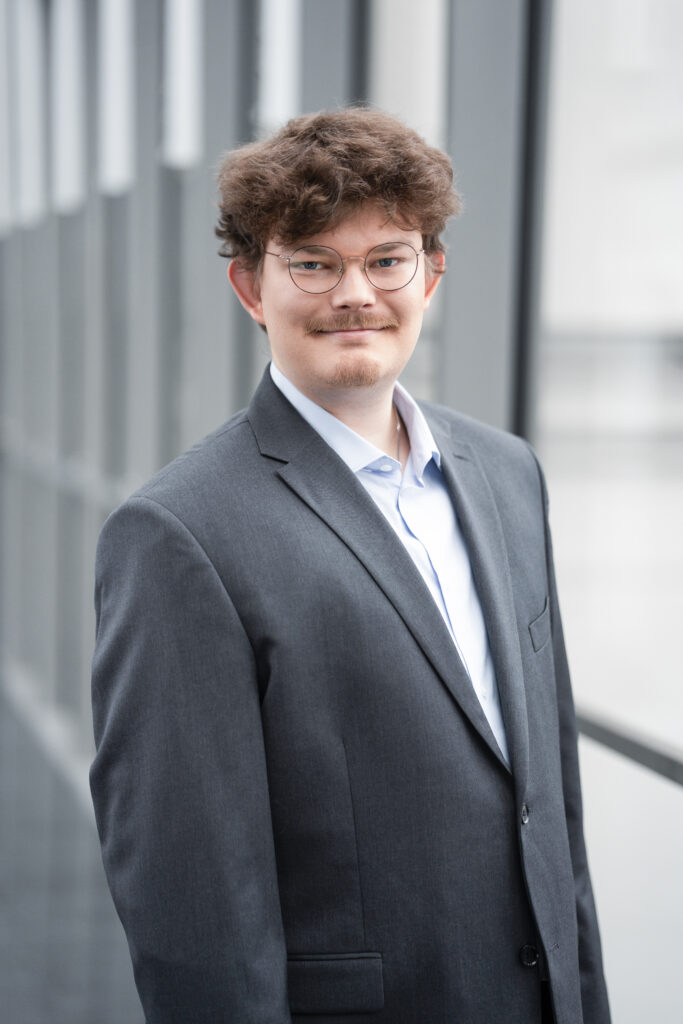
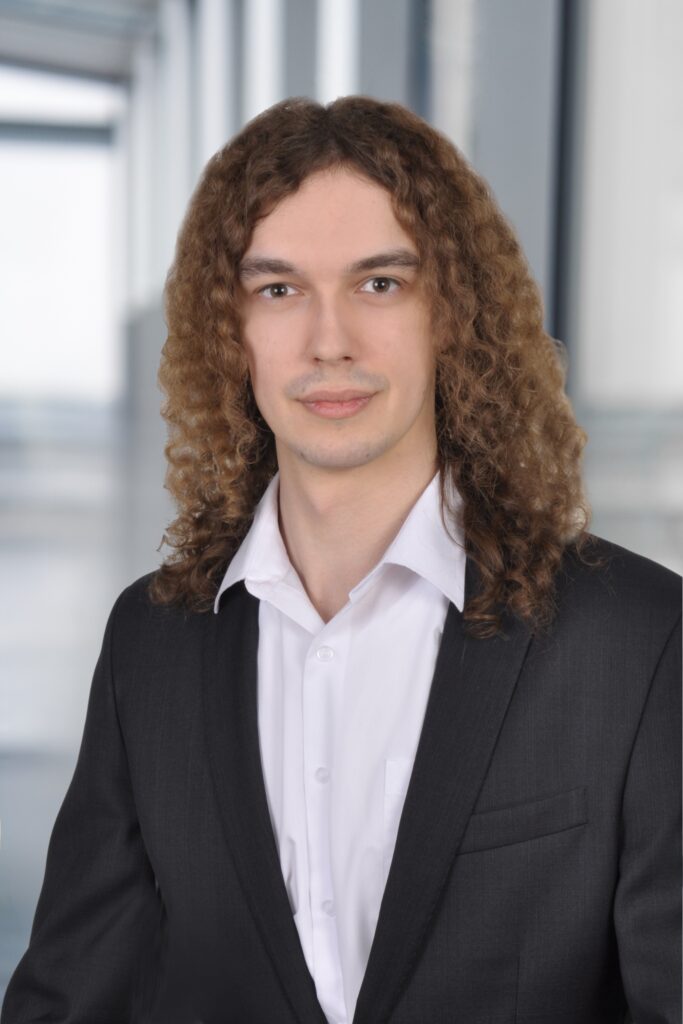
Our success – and your smooth experience working with us – comes from real people, not empty words.
FAQ
Do we, the residents, pay for wind turbine downtime?
Downtime in energy production due to a lack of wind does not generate any costs for the residents of the municipality. The presence of our wind turbines in the municipality is financed by us, the investors. We cover the costs both through agreements with landowners — to whom we pay previously agreed lease fees — and through property taxes, which contribute to the municipal budget. These payments are made regardless of whether the turbine is producing electricity or not. The electricity that is generated is sold either on the energy market or through PPA contracts with specific buyers.
Will the presence of turbines visible from our windows lower the value of our properties?
Thanks to advancements in technology and higher turbine towers, the potential noise impact on the surrounding area is lower. Moreover, a modern wind farm with up-to-date turbines will require about half as many units compared to a farm of the same capacity built 10–15 years ago, meaning the landscape will be less dominated by turbines. Of course, the turbines will still be visible from a distance, but their presence can be seen as a feature of a modern, progressive landscape, signaling sustainable development and a commitment to the region’s energy future.
Does pouring concrete for turbine foundations damage the soil and lower its quality and value?
Modern construction technologies minimize environmental impact. For example, using low-carbon concrete and recycling construction materials can significantly reduce the carbon footprint and impact on the soil. Foundations can also be constructed using “piling” techniques, which reduce the size and footprint of the base. Wind turbine foundations cover a relatively small area compared to the total agricultural land. Most of the land around turbines remains available for regular farming use. After the end of the wind farm’s operation, the land will be reclaimed and restored to its original condition.
Are wind turbines harmful to human health?
No. Wind energy is a completely emission-free technology. Wind farms do not produce or emit harmful waste, greenhouse gases, or particulate matter. According to the World Health Organization (WHO), wind energy has no negative health impacts on humans and actually has positive effects by reducing pollution levels.
Wind turbines generate terrible noise
Before any construction begins, our projects undergo very detailed acoustic analyses. We strictly adhere to noise regulations, which in Poland are set at 40 dB for residential areas. For comparison, a refrigerator operates at about 45 dB, and the ticking of a clock is around 35 dB.
Will my land lose value?
No, the land will not lose value. This is a myth often spread by opponents of wind farms. In reality, our projects are located exclusively on agricultural land, which continues to be used normally for farming, meaning it does not lose value. In fact, landowners benefit from a steady annual income through lease payments, often exceeding the income from agricultural activities. This means the value of such property increases by the amount of the lease revenue. Currently, lease payments average over 100,000 PLN per year for each installed turbine.
Studies conducted in Poland confirm that land prices in areas with wind farms have not decreased. In fact, the demand for land currently exceeds supply. Furthermore, the construction of wind farms improves local infrastructure, such as roads and transmission lines, and the resulting stable, high tax revenues over the next 25 years will modernize the entire municipality. All these factors increase the area’s attractiveness to investors and positively impact property values.
Why are lease agreements so long?
Building a wind farm is a large, long-term capital investment. Lease agreements are designed to ensure financial stability for both the investors and landowners and to protect the rights of both parties. They contain a range of provisions covering all important aspects so that both sides feel secure.
These agreements do not negatively impact the payment of due amounts — quite the opposite — everything is clearly regulated and properly secured.
Every landowner receives the draft lease agreement well in advance before signing. They have the opportunity to review it carefully and consult with a trusted lawyer. We are also available to discuss the agreement’s contents and answer any questions.
What happens to the turbine at the end of its operational life? Who removes it?
At the end of its operational period, the site is restored to its original state. The costs of dismantling and land reclamation are fully covered by the investor. Lease agreements ensure landowners are properly protected regarding this process.
Do residents bear the costs of turbine downtime?
Downtime in energy production caused by a lack of wind does not generate any costs for municipal residents. The presence of our turbines is financed entirely by us, the investor. We pay landowners an agreed lease fee and also pay property taxes that support the municipal budget. These payments are made regardless of whether the turbine is producing electricity at any given moment. The electricity generated is sold either on the energy exchange or under PPA contracts with specific buyers.