The state of the power grid in Poland keeps not only experts awake at night. Problems in this area affect each and every one of us. After all, electricity is a fundamental element of our daily lives. However, the shortcomings of the power grid are most tangibly felt by energy producers, such as prosumers who have invested in their own photovoltaic panels. The main reason for their disconnection – especially on sunny days – is the inadequate condition of the grid. Therefore, any investments in its modernization and expansion should be welcomed, especially if they also serve the development of offshore wind energy.
Choczewo-Żarnowiec Line – Construction Begins
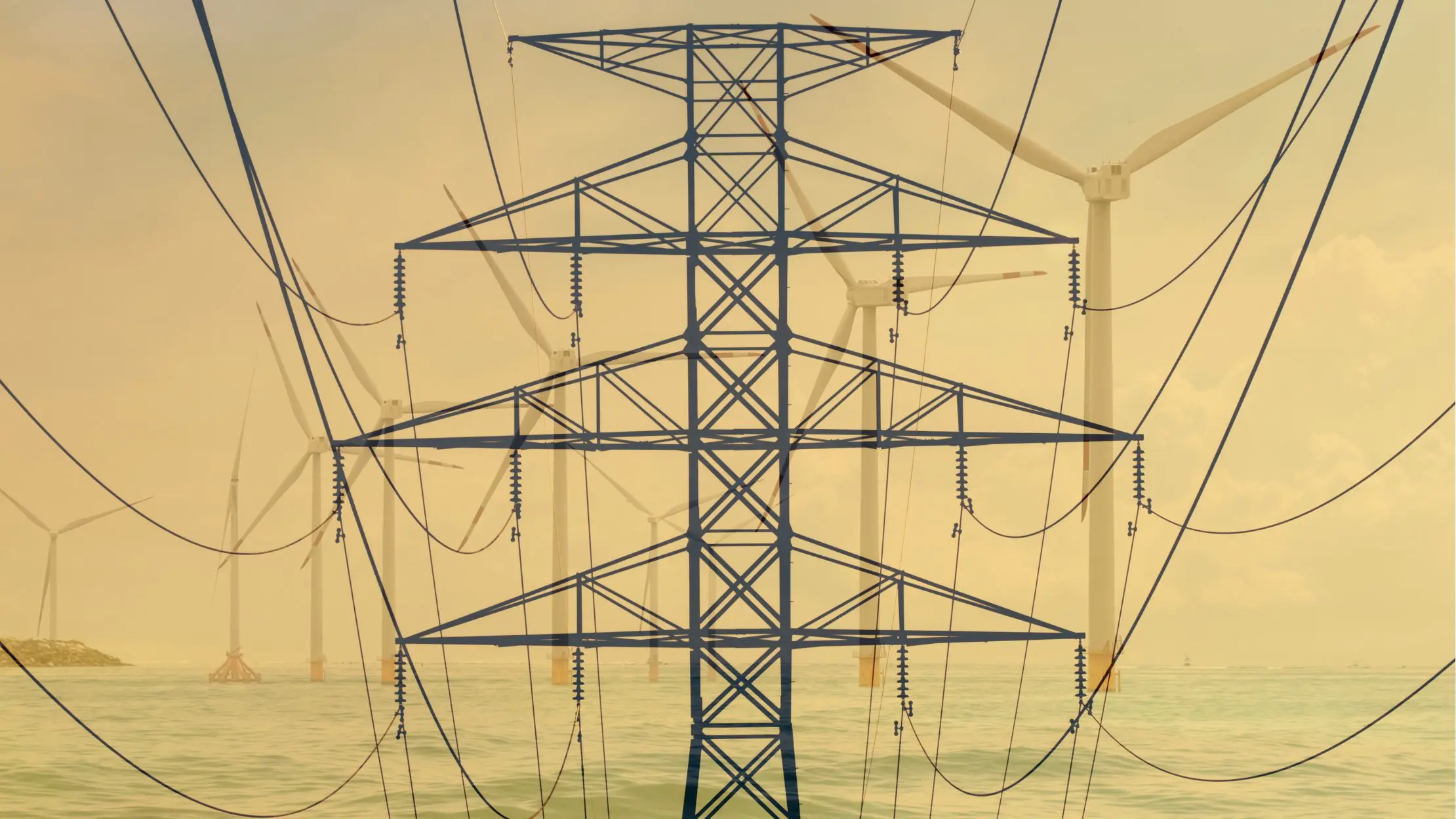
On October 1st, the construction of the Choczewo-Żarnowiec power line began. Its length will be nearly 20 km across the municipalities of Choczewo, Gniewin, and Krokowa. To ensure the supply of electricity to consumers, 52 poles will need to be built. At the same time, the construction of this line is important not only from the perspective of the overall condition of Polish energy, especially in the north of the country, but above all in the context of the need to connect offshore wind farms being built in the Baltic Sea to the power grid.
The Choczewo-Żarnowiec line, with a voltage of 400 kV, is one of four lines that will be responsible for delivering electricity generated by offshore wind farms in the Baltic Sea to consumers. Therefore, the project is one of the key infrastructure undertakings needed to ensure that offshore wind provides us with access to cheap and clean energy.
What Potential Does the Baltic Sea Have?
According to government estimates contained in the document “Poland’s Energy Policy until 2040,” the target capacity of offshore wind farms in the Baltic Sea is to reach 11 GW, which constitutes almost 20% of Poland’s generating capacity. Thus, Pomerania will become a leader in green energy in Poland, which represents a huge development opportunity for this region. Offshore wind generates a number of new jobs – which is an opportunity especially for those employed in phasing-out sectors of the economy – and the need for extensive infrastructure development that will serve not only the residents.